“grain shape” search results (900)
There are chocolate color, grain type, complete Yemeni coffee flavor, characteristics, taste and manor
Yemeni coffee originated from Arabian coffee trees hundreds of years ago, all produced in areas above 3000 feet above sea level. For hundreds of years, the unique planting and production methods of Yemeni coffee have remained almost unchanged. The seedlings of Yemeni coffee trees are first cultivated in nurseries and then transplanted to high elevations. Pesticides and fertilizers are not used in the breeding process. Mature coffee beans are naturally dried on coffee trees and shelled by stone grinding.
2016-08-31 Chocolate Color Grain intact Yemen Coffee Flavor speciality Taste Manor
Selection and treatment of high-quality coffee beans
Newness is the most important factor in buying coffee beans. To judge whether there are two steps between buying new beans and whether there are two steps: grab a handful of coffee beans and feel them with your palms. Is it enough to have a fragrance close to the nose? Put a bunch of beans into your mouth and bite them. A crisp sound indicates that the beans are well preserved and damp. If you want a single coffee bean, grab one in the palm of your hand.
2014-11-06 Coffee knowledge boutique coffee science coffee bean selection coffee bean processing
Cultivation techniques of small-grain Coffee in Yunnan Province: disease Control
1. Coffee rust is the main disease of coffee, the most harmful, the damaged plants, light reduced yield, serious death. Coffee rust is mainly harmful to leaves and sometimes to young fruits and twigs. After the leaves were infected, many light yellow spots appeared at first and enlarged in the form of water stains, followed by orange-yellow powdery spores on the back of the leaves, and there was a light green halo around the disease spots, which gradually expanded or connected in the later stage.
2014-07-09 Yunnan small grain coffee beans Yunnan small grain coffee cultivation techniques Yunnan small grain coffee beans price
Refreshing Yemeni coffee flavor, characteristics, taste and manor
Yemeni coffee originated from Arabian coffee trees hundreds of years ago, all produced in areas above 3000 feet above sea level. For hundreds of years, the unique planting and production methods of Yemeni coffee have remained almost unchanged. The seedlings of Yemeni coffee trees are first cultivated in nurseries and then transplanted to high elevations. Pesticides and fertilizers are not used in the breeding process. Mature coffee beans are naturally dried on coffee trees and shelled by stone grinding.
2016-08-30 Refreshing Yemeni coffee flavor specialty taste manor Yemen
Selection methods and matters needing attention of raw coffee beans
The taste of raw beans and fruits before selection will not vary according to their size. What about coffee beans? Coffee beans harvested from the same tree, regardless of size
2015-10-10 Coffee raw beans selection methods points for attention
Types and characteristics of filter cups for hand-brewed coffee introduction to the types and differences of filter cups for hand-brewed coffee utensils
When hot water is injected, the speed of filtration will be different, so the extraction time will also change. The difference in extraction time will lead to a difference in coffee flavor. The filtration speed varies with the area of the hole on the filter cup. The smaller the area is, the slower the filtration speed is. This type of filter cup will stay in the filter cup first because the injected hot water will first stay in the filter cup, and then filter at a certain speed, and the extraction will stop.
2016-07-20 Hand flushing coffee filter cup type feature appliance injection hot water filtration speed
Fresh coffee beans make good coffee.
The soul of coffee flavor is fresh, so no matter which country it is produced in, which manufacturer processes it, which merchant sells it, the most important thing for coffee beans is to ensure freshness. Generally speaking, the best drinking period of coffee is two weeks after roasting, when the coffee beans are the freshest and the aroma (Aroma) tastes the best. See: Look at shape and color. Okay, coffee bean shape.
2015-10-16 fresh coffee beans talent grind taste coffee flavor soul just
Kilimanjaro Coffee Flavor and taste introduction to the characteristics of boutique coffee beans in the manor area
Since 2001, the coalition government has continued to consolidate unity, maintain the coalition regime, strive for moderate forces, crack down on the separatist forces in Zanzibar, and take care of the allocation of budgetary funds and other issues related to Zanzibar's vital interests. Instead of openly advocating separation, URUF has demanded that Zanzibar be given more autonomy. In December 2005, Kikwete was elected as the United Republic
2016-09-21 Kili Mazar Luo Coffee Coffee Flavor Taste Manor producing area characteristics boutique
Boutique Coffee beans: introduction of Java long-grain beans in Limon Manor of Nicaragua
Nicaragua Lemon Tree Manor (JavaNica?Nicaragua Limoncillo Estate) Coffee production area: Nicaragua / Matagalpa Province / Limoncillo Manor planting area: 100ha planting altitude: 980mm 1350m Raw Bean Variety: JavaNica (Long Berry) Raw Bean treatment: Washed and Sun Dried harvest season: December-March Lemon Manor
2015-12-01 Boutique coffee beans Nicaragua lemon tree manor Java long grain bean seed introduction
The latest introduction of Yemeni coffee boutique coffee
Yemeni coffee originated from Arabian coffee trees hundreds of years ago, all of which are produced in areas above 3000 feet above sea level. For hundreds of years, the unique planting and production methods of Yemeni coffee have remained almost unchanged. The seedlings of Yemeni coffee trees are first cultivated in nurseries and then transplanted to high elevations. Pesticides and fertilizers are not used in the breeding process. Mature coffee beans are naturally dried on coffee trees and shelled by stone mill.
2015-12-02 Yemen coffee boutique introduction latest origin hundreds
Cultivation of small Coffee in Yunnan
Small-grain coffee is suitable for living in mountains with an altitude of 800 to 1800 meters. If the altitude is too high, it will taste sour, and if it is too low, it will taste bitter. Small grains of coffee are mostly planted in dry and hot valleys at an altitude of 1100 meters above sea level, so they are moderately sour, rich and mellow.
2014-06-05 Coffee cultivation in Yunnan
Three steps to buy coffee beans
1. Grab a handful of coffee beans and feel whether they are solid beans with the palm of your hand. 2. Whether it is enough to smell the aroma close to the nose. 3. Put a bean into your mouth and bite it twice. There is a clear sound indicating that the bean is well preserved and not damp. If you want to buy a single product of coffee beans, grab one in the palm of your hand, in addition to the above judgment, but also take a look at the color of each bean.
2014-08-25 Shopping coffee beans steps a handful palms feeling whether real
Yemeni coffee flavor Yemeni coffee characteristics Yemeni coffee taste
Yemeni coffee originated from Arabian coffee trees hundreds of years ago, all produced in areas above 3000 feet above sea level. For hundreds of years, the unique planting and production methods of Yemeni coffee have remained almost unchanged. The seedlings of Yemeni coffee trees are first cultivated in nurseries and then transplanted to high elevations. Pesticides and fertilizers are not used in the breeding process. Mature coffee beans are naturally dried on coffee trees and shelled by stone grinding.
2016-08-29 Yemen coffee flavor characteristics taste origin hundreds years ago
Peaceful, full-bodied coffee farm in Arusha, Tanzania. Taste characteristics of boutique coffee beans.
The topography of Tanzania is high in the northwest and low in the southeast, showing a ladder shape. The eastern coast is a lowland, the western inland plateau accounts for more than half of the total inland area, and the East African Rift Valley runs from east to west from Lake Malawi to the north and south. The Kibo peak of Mount Kilimanjaro in the northeast is 5895 meters above sea level, which is the highest peak in Africa. [6] Climate in the eastern coastal areas of Tanzania and part of the lowland heat in the interior
2016-08-17 Peaceful full-bodied Tanzania Arusha coffee manor producing area flavor taste
A few steps to buy coffee beans
1. Grab a handful of coffee beans and feel whether they are solid beans with the palm of your hand. 2. Whether it is enough to smell the aroma close to the nose. 3. Put a bean into your mouth and bite it twice. There is a clear sound indicating that the bean is well preserved and not damp. If you want to buy a single product of coffee beans, grab one in the palm of your hand, in addition to the above judgment, but also take a look at the color of each bean.
2014-07-11 Coffee knowledge buying coffee beans coffee bean selection coffee encyclopedia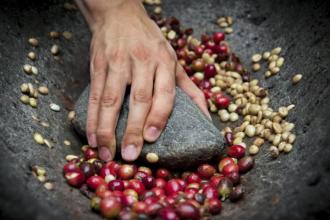
Refreshing and refreshing Yemeni coffee flavor, characteristics, taste and manor
Yemeni coffee originated from Arabian coffee trees hundreds of years ago, all produced in areas above 3000 feet above sea level. For hundreds of years, the unique planting and production methods of Yemeni coffee have remained almost unchanged. The seedlings of Yemeni coffee trees are first cultivated in nurseries and then transplanted to high elevations. Pesticides and fertilizers are not used in the breeding process. Mature coffee beans are naturally dried on coffee trees and shelled by stone grinding.
2016-08-30 Refreshing refreshing endless aftertaste Yemen coffee flavor specialty mouth
Introduction of varieties of Kilimanjaro Coffee Flavor description and Grinding degree treatment in Tanzania
Tanzania's main coffee producing area, located at the foot of Mount Kilimanjaro, is rich in volcanic soil. Some coffee trees planted here are more than 100 years old. Coffee was first introduced by Christians from Kenya to grow coffee. Coffee trees must be carefully taken care of, weeded and fertilized. And old branches must be cut off so that new branches can grow to maintain the quality of coffee beans.
2016-10-11 Tanzania Kili Mazar Luo coffee coffee flavor description grinding characteristics
The establishment of a coffee garden
1. The environmental conditions of land selection, planning and reclamation are closely related to the growth and development of coffee, which should be determined according to the growth habits and environmental requirements of coffee. Try to avoid choosing lowlands where cold air is easy to accumulate and condense frost; coffee roots are good, so choose well-drained and loose soil; coffee needs a calm wind environment, so in areas where there is no primary forest, consideration should be given to planning windbreaks.
2014-06-16 Coffee knowledge coffee garden coffee encyclopedia
Methods and skills of manual selection of coffee beans and defective coffee beans
I agree that apples don't taste different because of their size, but when it comes to roasting coffee beans, they all have to be heated anyway, and it doesn't matter if the coffee beans are different in size. Coffee beans harvested from the same tree, regardless of size
2015-09-14 Craftsmanship selection coffee beans coffee defects methods techniques
Coffee technology fresh coffee beans can grind good coffee
The soul of coffee flavor is fresh, so no matter which country produces it, which manufacturer processes it, or which merchant sells it, the most important thing for coffee beans is to ensure freshness. Generally speaking, the best drinking period for coffee is two weeks after baking, when the coffee beans are the freshest and the Aroma taste is the best. Look at: look at shape and color. Okay, the coffee bean shape is over.
2014-10-10 Coffee knowledge coffee technology fresh coffee beans coffee taste